Similar to diversity and body positivity, which is regarded as done by adding one curvy model of color to a fashion show, there are occasional male models wearing jewelry, make-up, lipstick, and raising more (commercial) interest in buying fashion products. Alternative social initiatives are taken in, commercialized and gentrified, often in such a blunt way that the encounter might seem laughable and unintentionally amusing. But we could still appreciate that there is any change happening at all and new role models help alternative life styles to become accepted.
Chaning Society or Pseudo “Pinkwashing”?
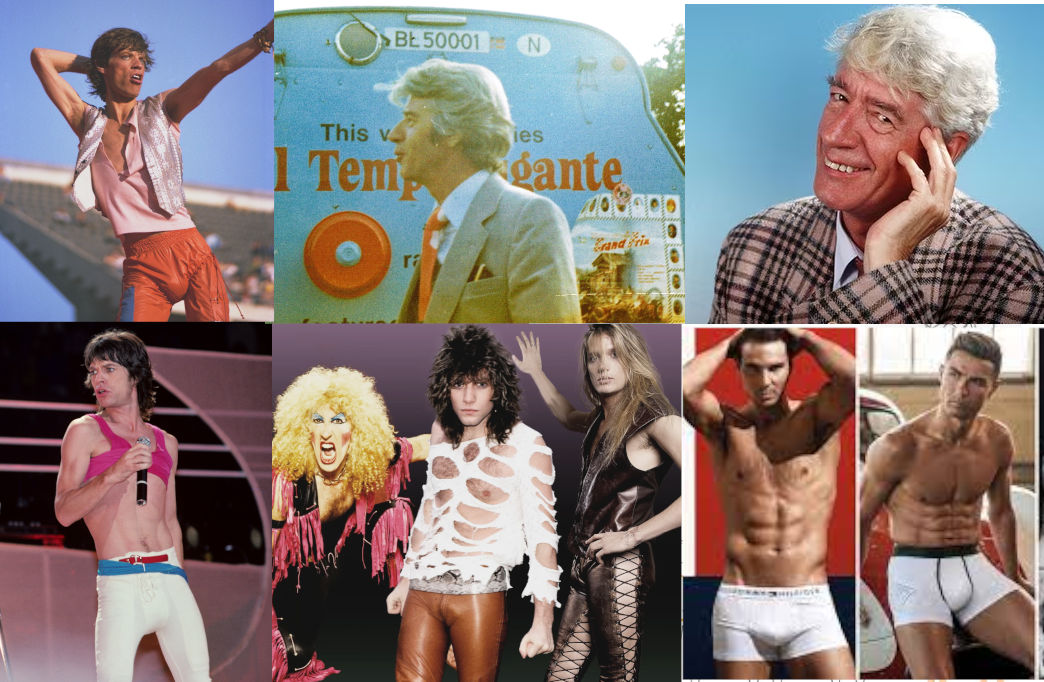
The slow acceptance of supposedly feminine fashion trends for men, androgynous and unisex looks, completes a development that in the past referred to things that were formerly masculine like trousers, football or becoming chancellor/prime minister. We are still far from truly equal chances and opportunities. The past years have seen some change, but neither German chancellor Merkel in her trouser suits nor the so-called “metrosexal” football players (Beckham and Neymar, quoted after an article in the Daily-Mail) brought much actual change. We had feminie men in the 1970s and 1980s: rock musicians with permed hair, tight jeans and stretch pants, or Rudi Carrell looking surprisingly female on some of his vintage photos.
In the executive suites of large companies, you often find old white men in classic dark suits with ties and white dress shirts, whose classic appearance perfectly reflects their backward-looking attitude and actions. Wearing suits is a matter of taste, concerning fashion, and it can look elegant and beautiful. So, a change of attitude would be much more important than a change of outer style like wearing unisex clothing and using expressive cosmetics.
Besides, it would probably be more sustainable to wear jackets and suits formerly worn by company leaders as second hand fashion than buying tight vegan faux leather pants at fast fashion or recycled eco fashion labels.
Body Positivity and Figure Types
Anyway, “androgynous” and “unisex” is far from mainstream culture. “Male, female, diverse”, so far, so, good (and even this is enough to upset conservative critics, even the fact that anyone dares to use gender language or questions the usual toilet signs), but even the supposedly “alternative” ecologic labels sort their jeans mostly in the usualy binary “men” and “womena” categories, as if all women and all men were the same, respectively, or more similar to each other than they differ from the other sex, despite divergent body shapes. Fashion knows many shapes of the body: skinny to curvy, ectomorphic to athlethic, or an average mixture of all of that. Alternativley popular are references to fruits or letters: apples, pears, plums, or A-, H- and E-line, differing significantly from each other independent of gender.
Figure-Hugging Menswear, where to find it?

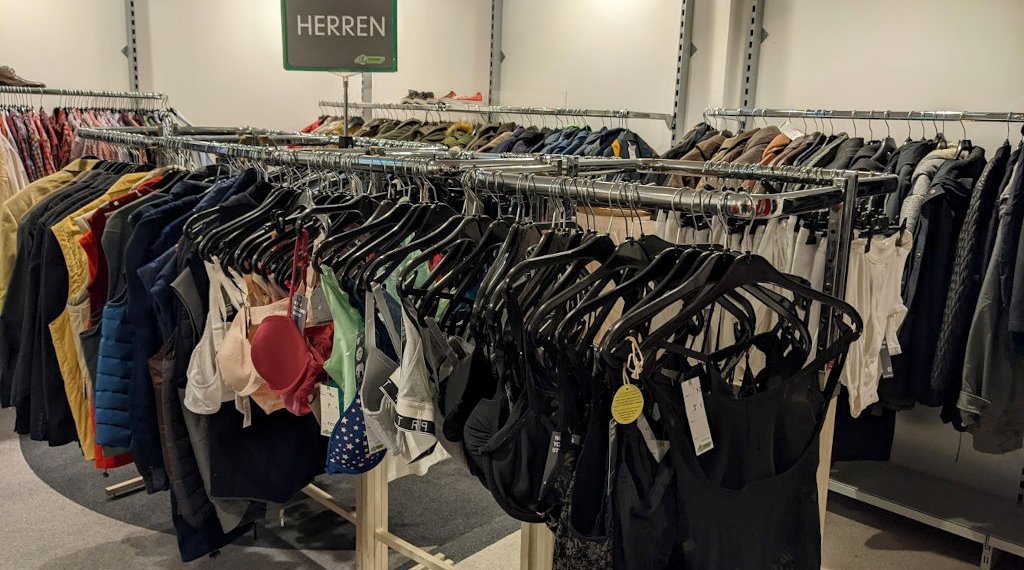
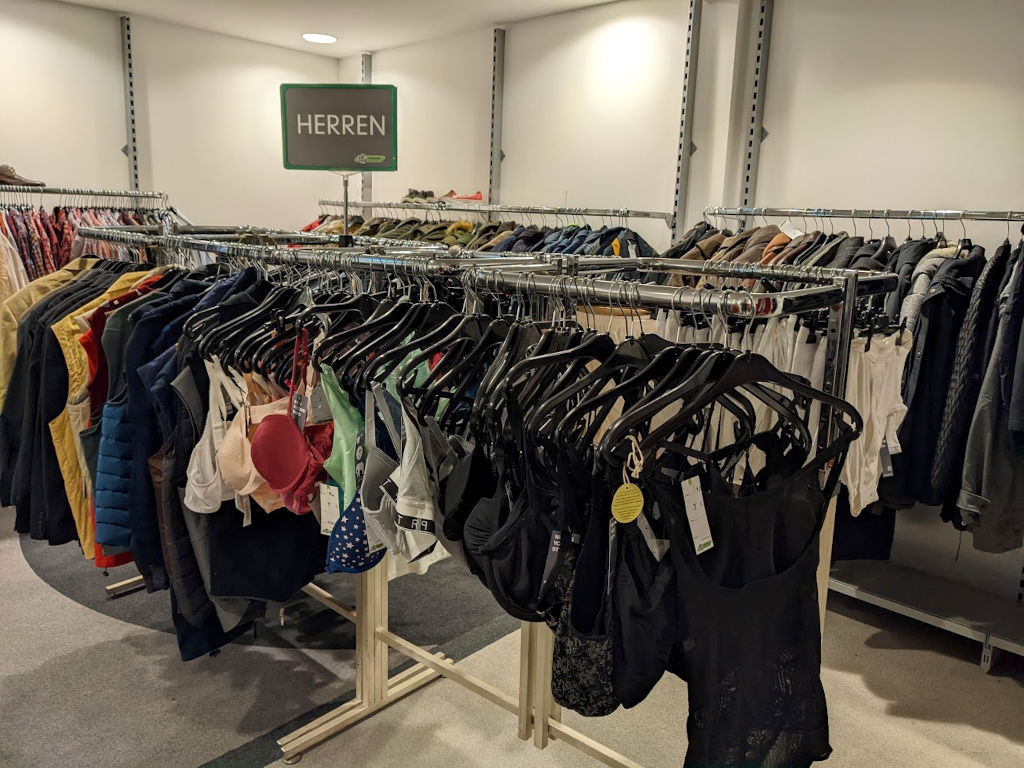
It is not just a matter of style and taste, but also a social and fashion-related decision that shapes what is available in stores. It seems like a futile attempt to buy tight men’s pants, especially in a small town. In a big city, I can ggo to Boggi Milano, while rural suppliers default to “belly size” cuts starting from 32 inch upward. What’s up?
Mabye the real reason why second-hand retro pants and wellness-wear has become so popular because there is nearly no figure-hugging fashion that really fits anybody? “Skinny jeans” for men felt uncomfortably tight on my calves, but unflatteringly baggy on my bum or flattening it like I was a square toy creature. Crisply cut and, if the fit is truly good, so tight that you can barely manage to pull them on, elegantly snug “stand-up jeans” would be perfect for gallery openings, clubs, and concerts. They earned that name for being too tight to sit down in for any length of time or at all. It remains a mystery to me why the fashion market, despite its overflowing stores and online shops, ultimately offers so little genuine variety. I appreciate flea markets, second-hand shops, and clothing swap parties all the more.
Fast Fashion, Sexism, Ageism and other Fashion Faux Pas
Apart from fast fashion and sexism, there is ageism as well: a “jeans buying advice for men over 30” This may be well-intentioned, but in its current form it unnecessarily pigeonholes people. Further research She adds variations in detail, but impersonal fashion advice probably only works through simplification.
Ecological Fair Alternatives?
Aside from style and role-playing, another problem remains: finding skimpy and transparent underwear, especially for men, which is already rare, from sustainable, ecological and fair production? Popular alternative shops often focus on timeless basics and comfortable underwear made from untreated materials, which is generally a good thing, but then they lack a natural source when a more compact item is needed. Neither second-hand nor women’s fashion can help here, but perhaps inquiries with the designers themselves and articles like this one.

P.S. Side Effects of Lingerie Research
When I get surprised by advertising banners on the internet that show half-naked people in swim trunks (not even always “safe for work”) or thong panties, When I fear with alarm that, after a brief search in relevant online shops, I will once again be haunted for months by suspicious advertisements, it is sometimes just a holiday ad, that will popup everywhere even with deleted cookies and the most restrictive privacy settings. An advertisement that was probably only not stopped as sexist because the beach figure shown is actually a man, and/or because thongs are now generally accepted as normal — except when it’s a man. What is permissible or undesirable is becoming increasingly unclear to many, especially in times of societal polarization between awareness, backlash, and double standards. What’s body-positive, sexy, or sexist is not always easy to categorize.